Do Unconventional Travel Tips Really Change Your Perspective Abroad?

Do Unconventional Travel Tips Really Change Your Perspective Abroad?
Table of contents
  1. Start by breaking your “tourist autopilot”
  2. Eat at odd hours, see who appears
  3. Ask for directions, even with GPS
  4. Let one city guide the whole trip
  5. How to turn tips into lasting change
  6. Before you book, make it practical

Forget the postcard version of travel, the one that promises instant “authenticity” if you just queue for the same viewpoints and order the same dishes. A quieter shift is happening: more travellers are testing unconventional habits that don’t cost much, don’t require bravado and yet can reshape what they notice, who they meet and how they remember a place. The question is whether these tactics truly change perspective abroad, or whether they simply add novelty to the itinerary.

Start by breaking your “tourist autopilot”

Here’s the uncomfortable truth: most of us travel with our routines packed in our carry-on. We keep the same meal times, the same pace, the same reliance on star ratings, even the same impulse to photograph first and experience second, and when everything feels familiar, we mistake it for comfort, while the destination becomes background scenery. Researchers who study attention have long noted that novelty heightens perception, and travel is novelty on paper, but only if you allow it to interrupt your habits rather than decorate them. Behavioural science points to the “mere exposure” effect, where people gravitate to what feels known, and that includes choosing a café that looks like home, or taking the most reviewed route because uncertainty feels expensive when time is limited.

Unconventional travel tips work, when they force a deliberate pause in that autopilot. Try a “one-sense rule” for a morning: no photos until noon, and instead you track sound, smell, texture and temperature, the clatter of cups on a terrace, the pitch of a tram, the damp air near a river. Or reverse your map logic: pick a radius, not a list, then walk it slowly, even if it means missing a headline attraction, because the point is to let the city introduce itself through everyday transitions. The perspective shift often comes less from what you see than from the way you allocate attention, and that can be trained quickly, in small, slightly awkward experiments that make you notice what you usually edit out.

Eat at odd hours, see who appears

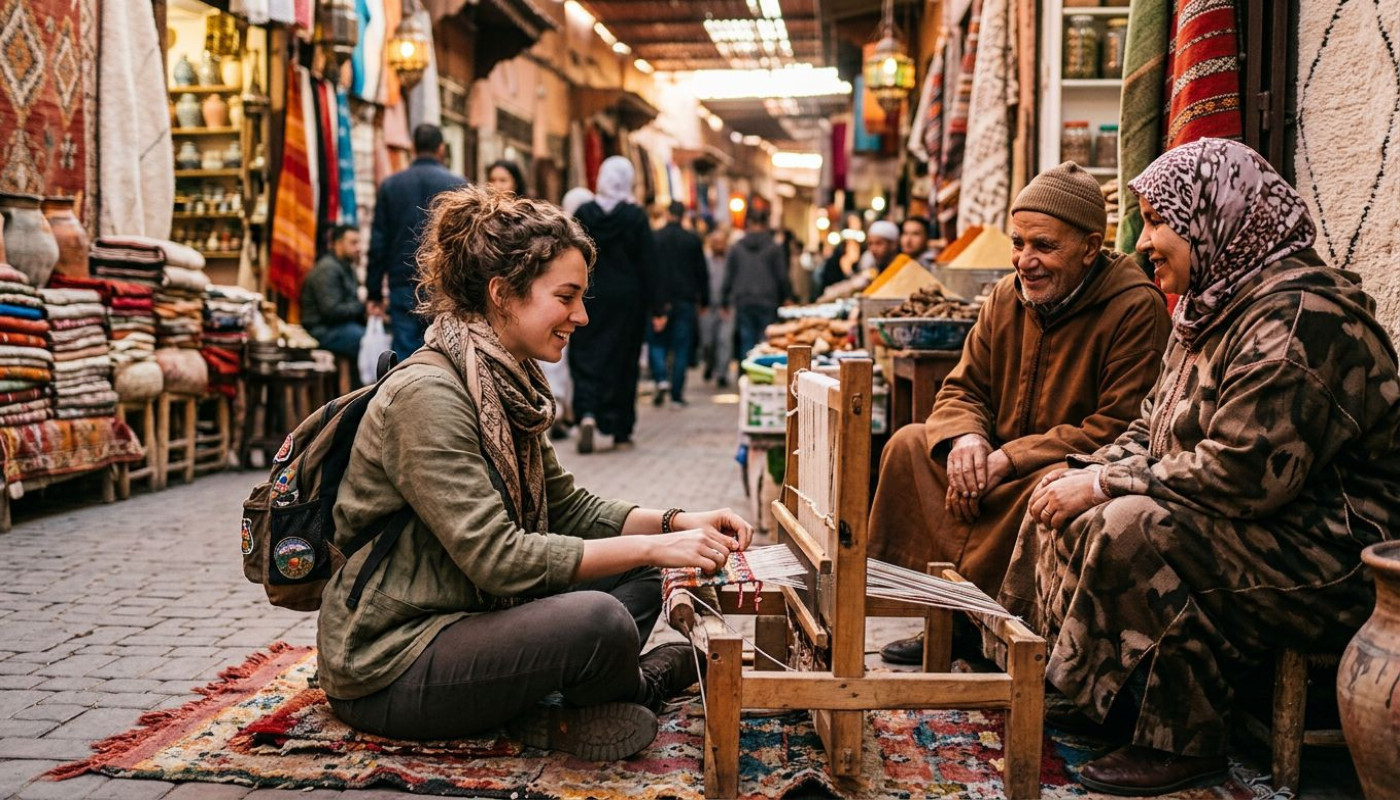
It sounds trivial, and yet it is one of the most reliable perspective-changers: shift your meals off the standard tourist clock. In many destinations, the lunch rush and the early dinner peak are when visitors dominate, menus get simplified and service moves fast, whereas the fringes reveal a different crowd and a different rhythm. Go late for lunch, or take an early supper, and you start sharing space with workers on breaks, older locals who prefer quieter rooms and students stretching a budget. The same restaurant can feel like two different places depending on when you enter, and your reading of “local life” changes with it.

There is also an economic angle that often gets overlooked. Tourism researchers and city authorities track how visitor concentrations drive pressure on certain streets, and time-shifting is a small way to spread demand, which can be friendlier to both staff and neighbourhoods. In practical terms, it can mean better conversations, more patience from servers and fewer compromises in the kitchen, and for you it can mean eating what the place actually makes well, not what it has learned to sell quickly. If you’re travelling somewhere with strong seasonal swings, or where weekends pull in day-trippers, a midweek lunch at 14:30 can show you the city’s baseline personality, the version that residents experience most of the year.

Ask for directions, even with GPS

Why ask a stranger when your phone is confident? Because the point is not the route, it’s the human layer that GPS deletes. Asking for directions, even when you already know the way, is a controlled form of vulnerability that invites context: “Don’t go that way, it’s noisy,” “This street is prettier,” “That square is under construction,” “If you’re hungry, take the next left.” You get micro-intelligence that rarely appears in reviews, and you get it filtered through a person’s preferences, which is precisely what makes it valuable. In a world where travel has become highly mediated by platforms, reclaiming even a small amount of interpersonal navigation can change your sense of place from a set of coordinates to a lived environment.

The trick is to do it respectfully and efficiently: choose moments when someone isn’t rushing, ask one clear question, and accept short answers with thanks. If the person engages, follow up once, not five times. This is also where a tiny effort in language pays off, not because locals demand perfection, but because it signals attention. Even a basic “Hello, excuse me” in the local language can shift the interaction from transactional to human, and the exchange itself becomes a memory. Over several days, these small conversations accumulate into a different narrative of your trip, one built less on attractions and more on how people move through their own city, what they warn you about and what they are proud to point out.

Let one city guide the whole trip

It is tempting to treat a region like a checklist, one night here, one night there, a sprint through capital cities because flights are cheap and social media rewards variety. Yet one of the most unconventional choices today is to stay longer in one place and use it as a base for depth rather than breadth, not in a lazy way, but in a structured, curiosity-driven way. When you do that, your perspective shifts from “visitor” to “temporary resident,” and the city becomes legible: you learn which streets change character at dusk, which museums are calm on weekday mornings, which neighbourhoods feel like they belong to different decades. The second time you enter a bakery, you are no longer anonymous, and that alters how you see the social fabric.

This approach also makes planning more realistic. Instead of overcommitting, you can build a trip around a few anchor experiences, then leave intentional space for weather, fatigue and surprise. If you want a concrete framework, pick one city, then assign each day a theme: architecture, food markets, waterfront or forest, contemporary art, wartime history, or simply “walk until a café feels right.” For travellers looking at Northern Europe, a base that mixes compact walkability with easy day trips can be especially effective; using a local guide and logistics that match your pace can help, and if you’re considering Estonia’s capital as that hub, you can explore options and ideas via https://www.tallinn-trip.com/, then decide whether your trip should be built around slow discovery rather than constant transit.

How to turn tips into lasting change

So, do unconventional travel tips truly change your perspective abroad? They can, but only if you treat them as experiments, not stunts. The goal isn’t to be quirky for its own sake, it’s to interrupt patterns that keep you sealed inside your own expectations. A useful test is simple: did the tip alter what you paid attention to, who you interacted with and how you felt about the place once the novelty wore off? If the answer is yes, you didn’t just add a story, you adjusted your lens, and that is the kind of change that survives the flight home.

Make it measurable. Choose two habits to break, not ten, and write them down on day one: one social habit, like asking for directions once a day, and one sensory habit, like delaying photos until noon. Then, each evening, note one detail you would not have noticed otherwise, a smell in a stairwell, a phrase you overheard, the way a neighbourhood quiets after commuter hour. Perspective is not an epiphany, it is accumulation, and the best unconventional tips are the ones that keep working after the novelty fades, because they train you to travel with attention rather than consumption.

Before you book, make it practical

Plan for flexibility and price reality. Compare accommodation by neighbourhood, not just by rating, set a daily budget that includes local transport and one “spontaneous” expense, and check whether city cards, museum passes or off-peak tickets reduce costs. If you’re travelling in high season, reserve key visits early, and keep one day unbooked for weather or fatigue.

On the same subject

Why Missing Your Train Might Be Your Trip’s Greatest Blessing

Why Missing Your Train Might Be Your Trip’s Greatest Blessing

It happens in a blink: the doors close, the carriage slides away and you are left on the platform, watching your carefully timed itinerary dissolve into the noise of the station. Yet across Europe’s busiest hubs, missed trains are no longer a rare mishap but a predictable feature of travel, as services run near capacity and networks absorb everything from engineering works to heatwaves. The surprise is what comes next, because for many passengers, that “failure” becomes the moment the trip finally begins. Missed connections are becoming the norm Who hasn’t felt that sinking rush? You check the board twice, you walk faster, you break into an undignified trot and still, a delay on the feeder service or a too-tight transfer window turns the whole plan into a gamble. In Europe, that gamble...
Why Some Destinations Secretly Thrive In The Off-season

Why Some Destinations Secretly Thrive In The Off-season

Empty promenades, cheaper rooms, and a city that suddenly feels like it belongs to locals again; off-season travel has moved from guilty pleasure to strategic choice, as inflation keeps holiday budgets under pressure and heatwaves complicate traditional summer peaks. Yet some places do more than “survive” the quiet months, they quietly thrive, thanks to infrastructure built for year-round life, policy choices that spread demand, and a climate that rewards arriving when others stay home. When winter is the main act Ask a resort town what “high season” means and the answer can flip depending on geography, altitude, and tradition, because in many destinations the calendar is anchored not by July and August but by snowfall, daylight, and school holidays. In the Alps, for example, winter...
Exploring the Benefits of Cancun's Tourist Tax to Its Local Economy

Exploring the Benefits of Cancun's Tourist Tax to Its Local Economy

In recent years, Cancun, a popular tourist destination known for its stunning beaches and vibrant nightlife, has introduced a tourist tax. This initiative aims to support the ongoing development and maintenance of the city's infrastructure and local economy. But what exactly are the benefits of this tax to Cancun and its local economy? As we delve into this topic, we will explore how this levy enhances the local economy, what it funds, and how it may shape the future of tourism in Cancun. This article will offer a comprehensive overview of the socio-economic implications of the tourist tax, all the while considering the various stakeholders involved, from the government to local businesses and the tourists themselves. Understanding Cancun's Tourist Tax In recent years, the term "Cancun...
The Evolution of e-Ticketing in the Dominican Republic

The Evolution of e-Ticketing in the Dominican Republic

The digital revolution has brought about numerous changes in our day-to-day activities. Among these changes, e-ticketing stands as a significant development that has transformed the way we plan travel and attend events. In the past, purchasing a ticket involved queues and physical exchange, but now, with just a few clicks, one can secure a ticket online. This shift from traditional ticketing to e-ticketing is evident worldwide, including in the Caribbean nations like the Dominican Republic. The evolution of e-ticketing in the Dominican Republic has been a remarkable journey. Whether you're a tech enthusiast or simply curious about this transformation, join us as we delve into how e-ticketing has shaped the Dominican Republic's digital landscape. The Advent of e-Ticketing in the...
Romancing the River: Cruising Europe's Waterways

Romancing the River: Cruising Europe's Waterways

Picture this: languid afternoons floating down enchanting waterways, surrounded by picturesque landscapes and charming destinations. Welcome to the world of river cruising through Europe – a unique and immersive way to explore the continent’s rich history, culture, and cuisine. River cruises offer an intimate experience with nature's tranquility while visiting iconic landmarks dotting Europe's riversides. Sailing on these serene routes infused with old-world charm allows you time not just for relaxation but also for cultural discovery and exploration like no other mode of travel can offer. Cruising European Waterways is truly a romantic escapade that promises unforgettable memories. The Allure of European River Cruises There is something profoundly enchanting about the concept of a...
Eco-tourism: The Future of Sustainable Travel
Eco-tourism: The Future of Sustainable Travel

Imagine a form of travel that not only allows you to explore beautiful locales but also plays an essential part in protecting these natural paradises for future generations. This is the promise of eco-tourism, a rapidly growing sector within the tourism industry. Eco-tourism offers sustainable methods of travel that minimize adverse impacts on the environment and local communities while promoting their well-being. However, like any other major change, it has its challenges and controversies as well. Let us delve deeper into this fascinating concept that could shape our future journeys around the world. Understanding Eco-Tourism: A Closer Look Eco-tourism is an increasingly popular form of travel that puts emphasis on sustainability and respect for the environment and local cultures. An...
Explore Japan Through Its Unique Culinary Landscape

Explore Japan Through Its Unique Culinary Landscape

Japan, an island nation renowned for its rich cultural heritage and groundbreaking technological advancements, boasts a unique culinary landscape that is a gastronomic delight. From delicate sushi to comforting bowls of ramen, Japan's cuisine reflects the country's history, geography and culture in tantalizing ways. Its food traditions are deeply rooted in seasonality and regional diversity, offering an array of flavors that vary from one region to another. This article aims to explore the depth and breadth of Japanese cuisine through its various elements - ingredients used, cooking techniques employed, cultural significance behind each dish and how it all comes together at meal times. Prepare yourself for a journey through this fascinating realm where taste meets tradition...
Unveiling Greenland: Nature's Untouched Paradise

Unveiling Greenland: Nature's Untouched Paradise

Immerse yourself in the untouched beauty of Greenland, a paradise where nature's mystery and grandeur remain preserved in its pristine state. A world filled with endless ice caps, vibrant Northern Lights, majestic fjords and abundant wildlife - Greenland is indeed an unspoiled gem that awaits your discovery. Beyond its icy façade unfolds a tapestry of diverse heritage, fascinating history and unique culture that add depth to this captivating destination. Get ready to embark on an extraordinary journey as we unveil the splendour of this secluded paradise nestled away from the bustling metropolis. Explore the Icy Wilderness Immerse yourself in the serenity of Greenland's icy wilderness, a majestic testament to the power and beauty of nature. This region is predominantly covered by...
Discovering the Underrated Beauty of Rail Travel

Discovering the Underrated Beauty of Rail Travel

The allure of rail travel is a largely underrated phenomenon. As our world continues to evolve at an incredibly fast pace, the charm and romance associated with train journeys seem to have been temporarily forgotten. However, there exists within these steel lines connecting various landscapes, a unique beauty that remains unrivaled by any other form of transportation. From breathtaking sceneries and architectural marvels to cultural immersions and historical significance - rail travel offers countless facets waiting to be discovered. This article aims not only to shed light on some of these aspects but also hopes to instill in its readers the desire for exploring this mode of transport further. The Unique Appeal of Rail Travel What sets rail travel apart from other transportation...
Where to visit in Annecy?

Where to visit in Annecy?

Annecy is one of the most beautiful cities in Haute-Savoie. Rich in natural assets, this town offers some of the best places that attract many tourists every year. Because of its beauty, charm and atmosphere, many people call it heaven on earth. What to visit in Annecy during your stay? This article tells you about some of its places to visit. Old Town of Annecy The old town of Annecy is the very first place you must visit when you have a short stay in Haute Savoie. This city offers you its charm through its old buildings and its cobbled streets. Be swept away by its canals and shops. It would be a real waste not to visit this town. Thiou Canal Satisfy your curiosity by visiting the houses and their colourful facades of the Thiou Canal. You will enjoy the best paths for your walk by also...