Table of contents
Night trains and scenic drives are having a moment, fueled by overbooked flights, rising climate concerns, and a renewed appetite for “slow travel” that lets journeys matter again. In Europe, night rail is rebuilding after years of decline, while road trips remain a cultural staple from the U.S. to Australia, boosted by flexible work and a growing network of charging stations. But which format actually delivers better travel stories, the kind you remember and retell?
On a night train, the story begins early
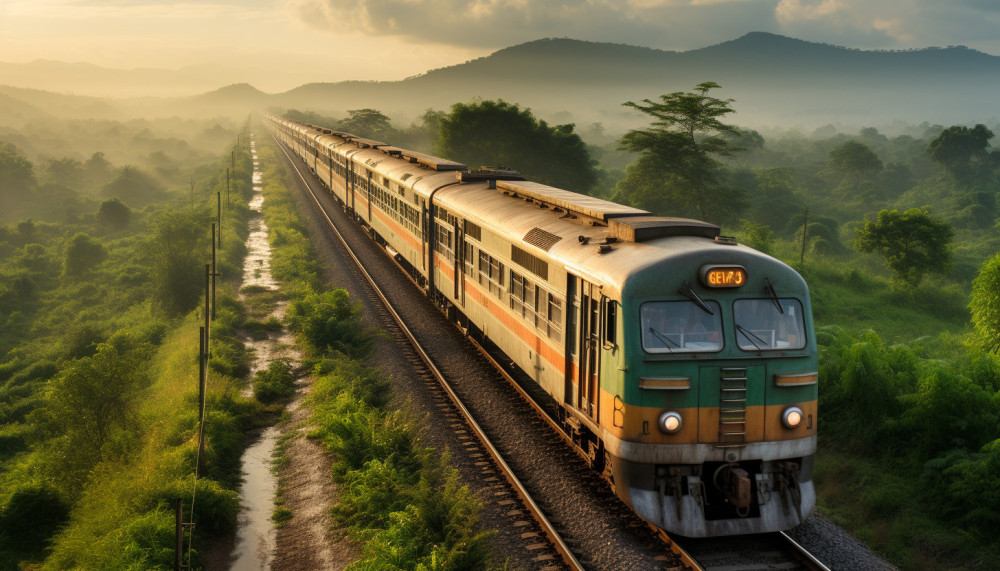
There is something disarming about boarding after dark. The platform feels like a stage set, the timetable is suddenly personal, and the carriage becomes a moving neighborhood where strangers negotiate space, silence, and sleep. Night trains compress travel into a shared ritual, and that alone produces narrative, the small negotiations over who gets the lower berth, the late announcement that changes a connection, the whispered conversations in corridor light. Rail operators have noticed the demand, and the numbers point to a genuine comeback rather than a nostalgic niche. Across the European Union, rail passenger transport surpassed 400 billion passenger-kilometres again in 2023, according to Eurostat, and while that figure includes all rail, the recovery matters because night services depend on broader ridership and network reliability.
The resurgence is visible in the routes themselves. Austria’s ÖBB Nightjet has expanded its footprint, adding new services and modern sleepers, including next-generation “mini cabin” berths on some corridors, and countries that once shuttered night services now treat them as strategic links. France has reintroduced and expanded overnight lines from Paris to the southwest, Sweden has sought cross-border night capacity, and private initiatives periodically test new corridors. A night train’s constraint, you leave at a fixed time and wake where the line ends, is also its strength: it forces a clean narrative arc, departure, interlude, arrival, and it rewards the traveler who pays attention to what happens between. Even the economics shape the story; sleepers cost more than seats, and pricing fluctuates with demand, so travelers swap tips in real time, which dates are cheaper, which berths sell out first, and how far in advance to book.
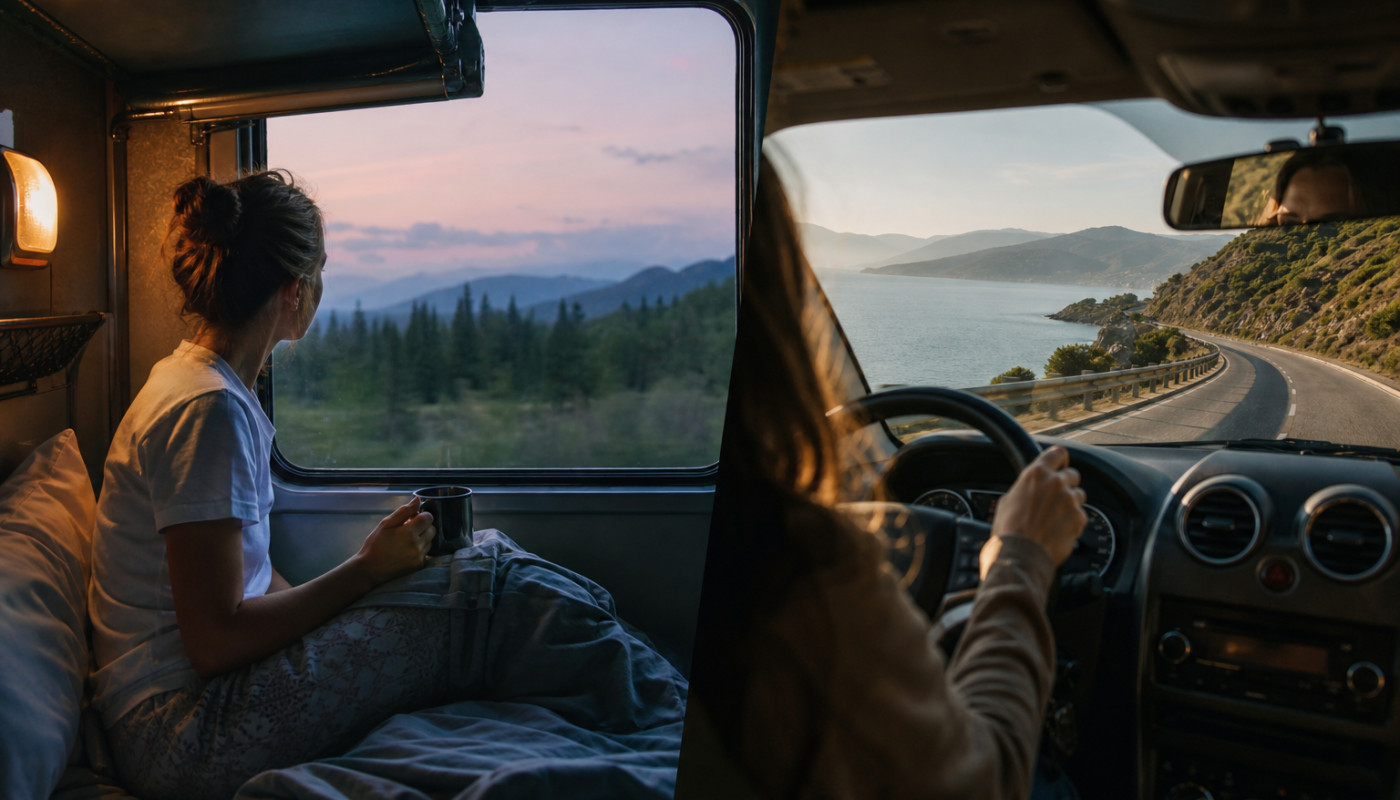
Then there is the peculiar intimacy of waking up in motion. You open a blind to find mist over fields, rooftops sliding past at walking pace, and the first station name you can’t pronounce. This is the kind of sensory detail that makes travel writing work, and it comes “for free” on an overnight service because you are not steering, navigating, or watching mirrors. The narrative is collective too, and it often crosses generations; families treat a sleeper as an adventure, solo travelers find conversation without forcing it, and older passengers talk about lines that used to run when air travel was still aspirational. If travel stories are made of characters as much as landscapes, the night train supplies both, and it does so in a contained, almost theatrical space.
A scenic drive offers control, and surprises
Freedom is the road trip’s core promise, and it still delivers. You choose the detour, stop for the view that isn’t in the guidebook, and chase the light because you can. For storytelling, that control is powerful; the plot bends around your decisions, and the texture comes from the roadside. The classic argument against driving is fatigue and distraction, but modern itineraries increasingly split the burden with co-drivers, short daily distances, and technology that makes navigation less stressful. In the U.S., where the road trip remains almost a national myth, domestic leisure travel has continued to lean heavily on cars for practical reasons as well as romance, and in many regions there is simply no comparable rail option for reaching small towns, trailheads, and beaches on your own schedule.
The data around driving’s evolution matters because the stories are changing with the vehicle fleet. Electric cars are no longer an experiment, and the infrastructure that supports them is becoming part of the travel narrative, the charging stop as a new kind of roadside diner. In the European Union, the Alternative Fuels Infrastructure Regulation sets binding targets for charging points along the TEN-T core network, and member states are expanding coverage, though gaps remain in rural areas and across borders. For travelers, those gaps are not abstract; they shape route choices, timing, and the emotional rhythm of a trip, whether the next charger is available, whether the café is open, and whether the stop becomes a conversation with locals rather than a logistical headache.
A scenic drive also produces stories through weather and road conditions in a way trains often smooth out. Mountain passes close, coastal roads flood, and heatwaves turn a planned afternoon hike into a shaded lunch and a museum you did not expect to love. The road amplifies the small dramas, wrong turns, unexpected villages, a mechanic who fixes a puncture in ten minutes and offers a better restaurant than any app. Yet that same openness can weaken the narrative if you do not set some constraints. Without a clear plan, the drive becomes a series of errands: petrol, parking, groceries, traffic. The best road-trip stories usually come from curated routes, a theme, a coastline, a literary trail, a food region, a set of national parks, and a willingness to commit to fewer places, which turns driving time into anticipation rather than dead space.
Carbon, cost, and comfort reshape choices
Romance does not pay the bill. Travelers are weighing comfort and climate more explicitly, and both night trains and scenic drives sit in the middle of that debate. Rail’s environmental advantage is widely supported by public data, and the European Environment Agency has repeatedly shown that, per passenger-kilometre, rail generally emits far less greenhouse gas than cars, and dramatically less than aviation, though the precise numbers vary by occupancy, electricity mix, and vehicle type. That matters because the “story” of a trip is increasingly tied to how you got there; travelers are not only collecting memories, they are also explaining their choices to friends who ask why they didn’t fly.
Cost is more ambiguous, and it often surprises people. A night train can replace a hotel night, which makes a sleeper fare look different when you subtract accommodation, but the headline ticket price can still be high on popular routes or peak dates. Scenic drives look cheap when fuel prices are low and you split costs, and they become expensive quickly when you add parking fees, tolls, insurance, and last-minute accommodation in regions with limited supply. In Europe, where fuel taxes are generally higher than in North America, the economics can favor trains, particularly for solo travelers; for families of four, the equation flips depending on destination and the availability of family compartments or discounted rail passes.
Comfort has become a deciding factor too, and not just in the obvious sense of legroom. Sleep quality on a train is uneven; light sleepers may arrive groggy, and shared compartments can feel like a gamble. Drives offer private space, but long hours behind the wheel can be draining, and the stress of traffic can bleed into the destination. Accessibility also differs: trains are improving, yet station-to-hotel transfers can be a barrier in smaller cities, while driving can be difficult for those who cannot or prefer not to drive. In practice, the comfort question often determines not only which itinerary you choose but which stories you will have energy to notice, the sunrise through a compartment window, or the coastal lookout you would have missed if you had pushed on to make time.
Which one yields better travel stories?
Stories come from friction, and the two formats create different kinds. Night trains generate human stories: shared space, fleeting intimacy, the humor of travel etiquette, and the quiet drama of crossing borders while you sleep. Scenic drives generate place stories: unexpected landscapes, local food, detours, and the feeling of “earning” a destination by watching the terrain change mile by mile. The best choice depends on what you want to remember, and what you want to write about later. If you prefer characters and atmosphere, the night train is a reliable engine for narrative; if you want a sequence of scenes, the drive is hard to beat.
There is also a practical way to get the best of both: combine them. Take an overnight train into a region, arrive rested enough to explore, then rent a car for two or three days to reach the villages and viewpoints that public transport cannot easily serve, and finish with another night train back, which turns travel time into sleep rather than a lost day. Planning tools matter here, not because they replace spontaneity but because they make it easier to design an itinerary with just enough structure. For travelers comparing routes, budgets, and timing, https://www.macau-trip.com can help map out options and identify what is realistic in a given number of days, especially when you are trying to balance the romance of the journey with the constraints of work schedules and seasonal demand.
The deeper point is that “more stories” rarely comes from doing more miles. It comes from giving the journey room to speak. On a night train, that means choosing a route with a morning view, packing so you can actually move in the corridor, and accepting that you will not control every detail. On a drive, it means picking a road worth taking slowly, resisting the urge to overbook, and building in time for stops that are not on the plan. Do that, and either itinerary can deliver the kind of travel stories that outlast the photos.
Practical steps before you book
Decide what you are optimizing: sleep, scenery, or flexibility, then match the mode to that priority and book accordingly. For night trains, reserve early for peak dates, and consider whether a couchette or sleeper will save you enough hotel cost to justify the fare; for drives, price the trip with tolls, parking, and one “expensive” night included, because last-minute lodging is where budgets break.
If you are keeping emissions in mind, compare rail and car options honestly, including how many people are in the vehicle and whether you can use an electric car on your route. Finally, look for discounts and public support where they exist, from railcards and youth fares to regional passes and occasional local incentives for low-emission rentals, and lock in a realistic itinerary before prices move.
On the same subject

Why Missing Your Train Might Be Your Trip’s Greatest Blessing

Do Unconventional Travel Tips Really Change Your Perspective Abroad?

Why Some Destinations Secretly Thrive In The Off-season

Exploring the Benefits of Cancun's Tourist Tax to Its Local Economy

The Evolution of e-Ticketing in the Dominican Republic

Romancing the River: Cruising Europe's Waterways

Eco-tourism: The Future of Sustainable Travel

Explore Japan Through Its Unique Culinary Landscape
Unveiling Greenland: Nature's Untouched Paradise